How to Store Cooking Utensils Without Clutter
Learn how to store cooking utensils without clutter using smart drawer organizers and countertop holders. This guide breaks down simple zoning tips to keep drawers tidy, counters clear, and your kitchen functional and modern.
2/5/20264 min read
How to Store Cooking Utensils Without Clutter
*Affiliate disclosure: This post may contain affiliate links, which means I may earn a small commission at no extra cost to you.
If your kitchen drawers jam every time you open them—or your countertop feels permanently crowded, you’re not alone. Cooking utensils are some of the most used tools in the kitchen, but they’re also the easiest to let spiral into chaos. The good news? With the right organizers and a simple zoning strategy, you can store cooking utensils in a way that’s functional, clutter-free, and actually looks good.
Below, we’ll break down the best ways to store cooking utensils using drawer organizers and countertop holders, plus how to assign utensil “zones” so everything has a clear home.
Start With Kitchen Zones (This Changes Everything)
Before buying organizers, take a minute to think about where you actually use your utensils. Creating zones helps prevent overcrowding and keeps you from piling everything into one drawer.
Common utensil zones include:
Prep Zone: Knives, peelers, measuring spoons, spatulas
Cooking Zone: Wooden spoons, tongs, ladles, turners
Baking Zone: Whisks, rubber spatulas, pastry brushes
Serving Zone: Large spoons, serving forks, salad tongs
Once your utensils are grouped by zone, it becomes much easier to decide what belongs in a drawer versus on the counter.
Drawer Organizers: The Clutter-Free Favorite
Drawers are ideal for keeping utensils hidden, clean, and visually calm. The key is choosing organizers that fit your drawer size and utensil types.
Flat Drawer Organizers for Everyday Utensils
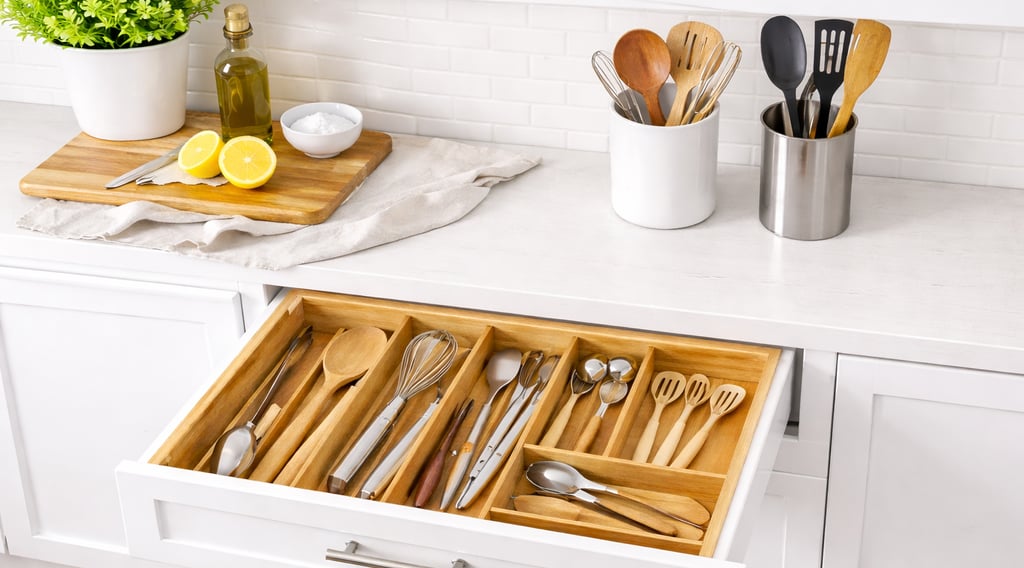
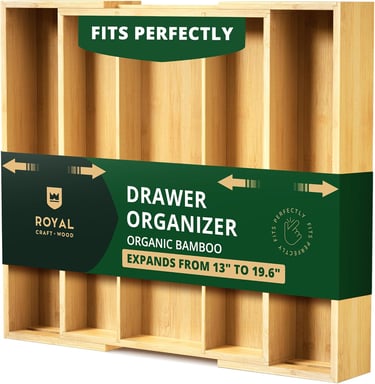
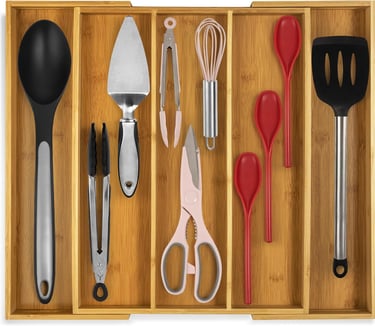
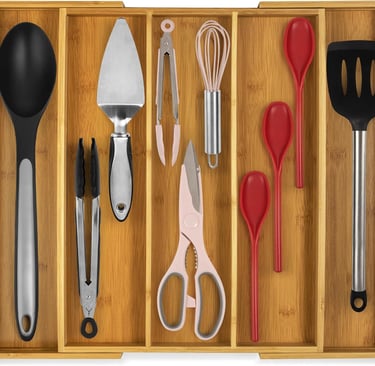
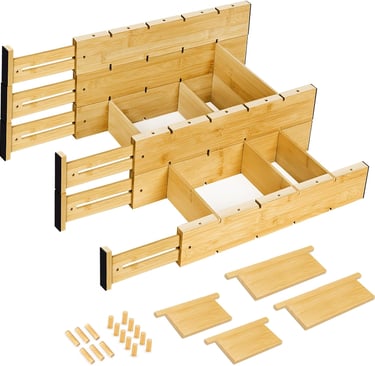
Expandable or modular drawer organizers are perfect for spatulas, spoons, and turners. These work best in shallow drawers near your stove or prep area.
Click on these Amazon Finds to check out some highly rated options!
Why they work:
Keep utensils separated so they don’t overlap
Make it easy to grab exactly what you need
Prevent the “junk drawer” effect
Tip: Store utensils horizontally with handles facing the same direction for a cleaner look.
Deep Drawer Inserts for Bulky Tools
If you have deep drawers, consider vertical or angled inserts. These are great for ladles, whisks, and larger tools that don’t sit flat.
Best for:
Deep lower drawers
Large utensil collections
Households that cook often
You can also use small bins inside deep drawers to separate tools by category.
Click on these Amazon Finds to check out some highly rated options!
Countertop Utensil Holders (Done the Right Way)
Counter utensil holders get a bad reputation for creating clutter but when used intentionally, they can actually improve functionality.
Keep Only What You Use Daily
A countertop holder should only include utensils you reach for every single day, such as:
Wooden spoons
Silicone spatulas
Cooking tongs
Everything else belongs in a drawer.
Match the Holder to Your Space
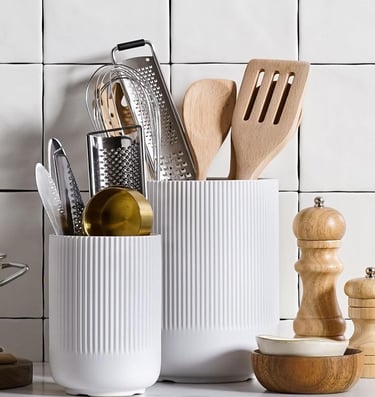
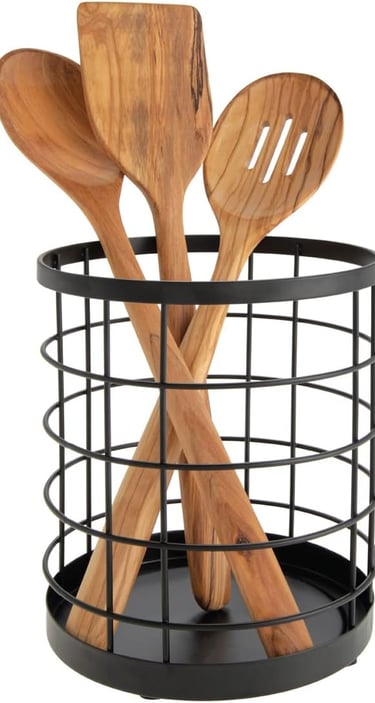
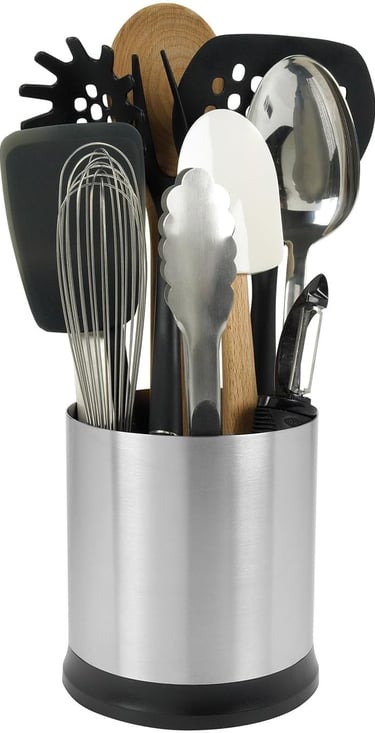
Choose a utensil holder that complements your kitchen style and doesn’t overwhelm your counter:
Ceramic or stoneware for a clean, minimal look
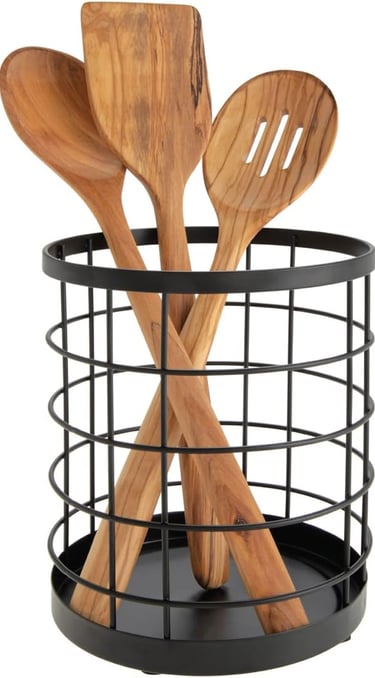
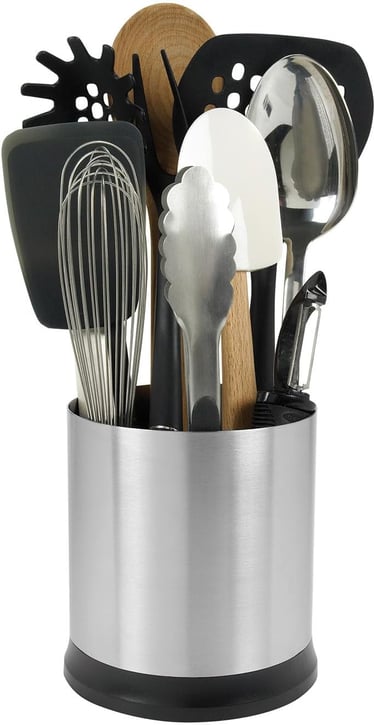
Stainless steel for modern kitchens
Wood or bamboo for warm, neutral spaces
Place the holder near the stove to create a clear cooking zone.
Click on these Amazon Finds to check out some highly rated options!
Drawer vs. Counter: How to Decide
If you’re torn between drawer storage and countertop storage, use this simple rule:
Daily-use, heat-safe utensils → Countertop holder
Occasional-use or specialty tools → Drawer organizers
This balance keeps your kitchen functional without feeling overcrowded.
Small Kitchen Solutions That Make a Big Difference
If you’re short on space, these ideas can help:
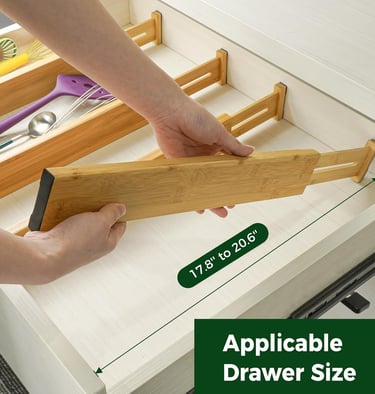
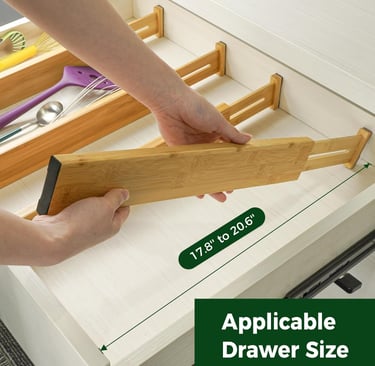
Use expandable drawer organizers to customize tight drawers
Add in-drawer dividers instead of bulky trays
Store overflow utensils in a secondary drawer or cabinet bin
Less space doesn’t mean more clutter, it just means being more intentional.
Final Thoughts
Storing cooking utensils without clutter isn’t about owning fewer tools, it’s about giving each one a clear home. By combining drawer organizers with thoughtfully chosen countertop holders and organizing by zones, you can create a kitchen that feels calmer, more efficient, and easier to cook in.
A few small changes can turn chaotic drawers and crowded counters into a space that works with you, not against you.
Looking to upgrade your utensil storage? Start with one drawer or zone at a time, you’ll be surprised how much of a difference it makes.

© 2025. All rights reserved.